

Tips for first-time flyers can make your journey less stressful and more enjoyable. Familiarize yourself with airport procedures, including check-in, security screenings, and boarding. Pack wisely by knowing the rules about carry-on items and liquids to avoid delays. Arrive early to give yourself plenty of time to navigate the airport. Don’t forget to keep your crucials, like your ID and boarding pass, easily accessible. By following these simple guidelines, you can enhance your travel experience and ensure a smooth flight.
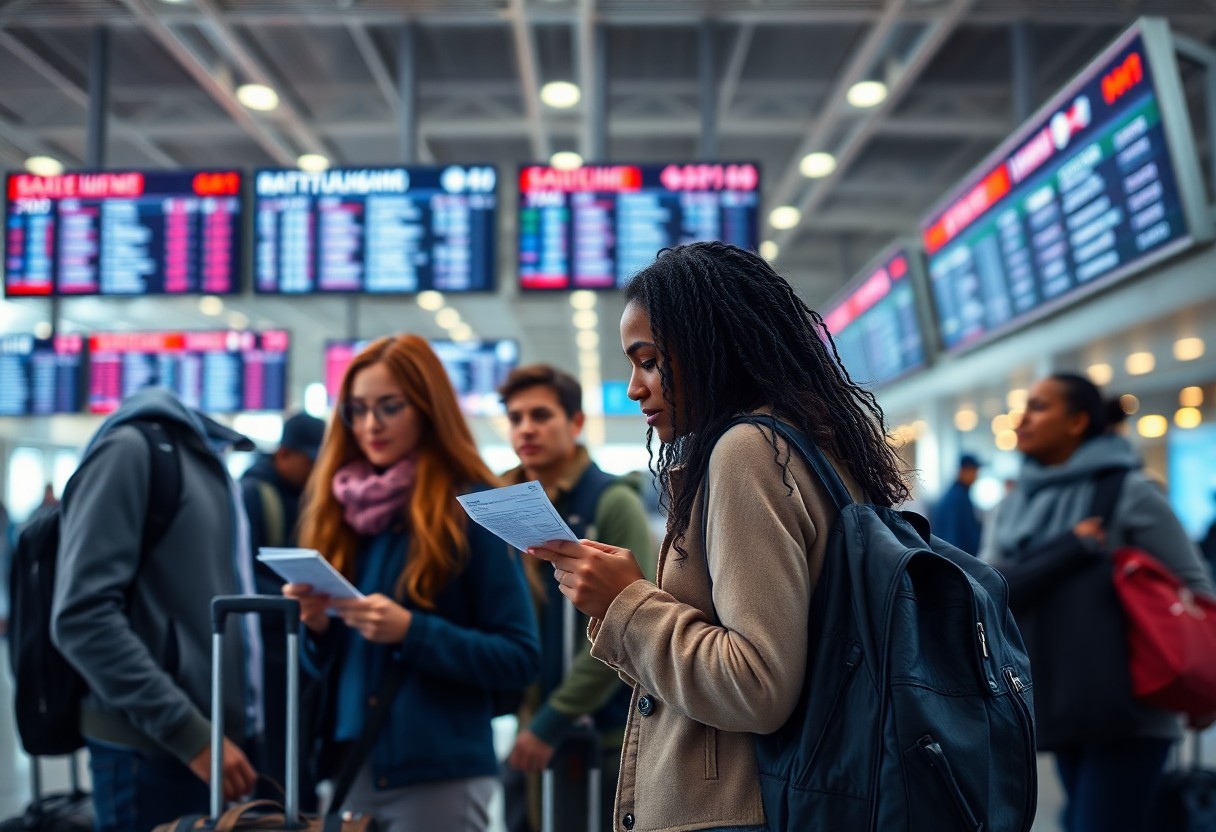
Key Takeaways:
- Arrive at the airport at least two hours prior to your flight to allow ample time for check-in, security checks, and boarding.
- Familiarize yourself with the airport layout and security procedures to ease anxiety and streamline the process.
- Pack imperative items, such as identification, travel documents, and any necessary medications, in an easily accessible location.
- Dress comfortably and consider wearing layers, as temperatures can vary widely in the airport and on the plane.
- Stay hydrated and bring snacks for the journey, especially if you have dietary restrictions or preferences.
Types of Flights
The world of aviation offers various options for your travel needs, and understanding the different types of flights can enhance your travel experience. As a first-time flyer, you’ll likely encounter two primary categories of flights: domestic and international. Each type caters to specific travel requirements and experiences, allowing you to choose the best fit for your journey. Here’s a breakdown of the types:
| Flight Type | Description |
|---|---|
| Domestic Flights | Flights that operate within your own country. |
| International Flights | Flights that travel between different countries. |
| Non-stop Flights | Flights that take you directly to your destination without stops. |
| Connecting Flights | Flights that require you to change planes before reaching your destination. |
| Charter Flights | Flights that are rented for specific trips, often for groups. |
Domestic Flights
Even though you might feel anxious about flying for the first time, domestic flights are the easiest way to ease into the experience. These flights typically have shorter durations and often offer more frequent schedules. You’ll find that boarding and discommenceing processes are generally streamlined compared to international flights, making your journey feel more manageable. Make sure to check the luggage regulations as airlines might have different policies regarding baggage limits for domestic routes.
Additionally, domestic flights often provide last-minute fare options, which can be a fantastic perk if you’re making spontaneous plans. Check-in procedures are also typically fast, with many airlines allowing online check-in services to help you bypass long queues at the airport. If you fly during off-peak hours, you might enjoy a quieter airport atmosphere and more space onboard, making your travel experience much more pleasant.
International Flights
An international flight is an exciting venture that opens the door to new cultures and experiences beyond your country’s borders. These flights tend to be longer than domestic ones, which means you will need to prepare adequately for the journey. Before you commence, ensure that you have your passport, any necessary visas, and understand the customs regulations of your destination country. International flights also generally require more extensive security checks, so you will want to arrive at the airport earlier than you would for a domestic flight.
Plus, keep in mind that flying internationally often involves crossing time zones, which can lead to jet lag. The duration of these flights can vary greatly, so it’s beneficial to plan on items to keep you entertained. In-flight services can also differ significantly, with many airlines providing meals, complimentary drinks, and more extensive entertainment options. This means you can enjoy movies or your favorite shows while soaring thousands of feet above ground. Any time you decide to travel internationally, equipping yourself with the right knowledge will ensure a smoother journey.
Essential Travel Tips
One of the keys to a successful travel experience is to stay informed about important travel tips that can ease your journey as a first-time flyer. Ensure that you plan your trip meticulously by considering the following aspects:
- Check your documents: Have your ID and boarding pass ready.
- Arrive early: Give yourself enough time to navigate the airport.
- Stay updated: Keep an eye on flight notifications for any changes.
- Security protocols: Familiarize yourself with airport security procedures.
Any attention to these details will streamline your travel experience and help ease any pre-flight anxiety.
Packing Essentials
Tips on packing correctly can vastly improve your flying experience. Start by creating a checklist of what you absolutely need, including important items like travel documents, medications, and chargers. Always pack a few change of clothes and toiletries in your carry-on in case your check-in luggage gets delayed or lost. Keep your valuable items close to you, as it’s safer during travel.
Additionally, it’s wise to check the airline’s baggage policy to avoid any unexpected fees. Be mindful of weight limits as well, as many airlines enforce strict regulations that can hinder your travel if not followed. Organizing your packing efficiently can enhance your comfort throughout your flight.
Check-in Procedures
Packing your bags is just the beginning, as understanding check-in procedures is vital to a smooth travel day. Most airlines now offer online check-in, which you can do 24 to 48 hours before your flight. It’s advisable to take advantage of this feature to select your seat and expedite the process at the airport. Upon arrival, you will need to show your identification and boarding pass to the agents. If you have luggage to check, head to the designated bag drop-off area where you can hand over your checked items.
Another important aspect of check-in procedures involves being aware of security guidelines. You’ll need to navigate through security checkpoints where you’re required to place your carry-on luggage through a scanner. Make sure that any liquids over 3.4 ounces are in a separate sealed bag, as they will need to be inspected. Following these check-in procedures and staying compliant with the rules can significantly reduce your stress level and enhance your travel experience.
Step-by-Step Guide for First-Time Flyers
Despite the excitement of flying for the first time, it can also bring about feelings of uncertainty. To ease your travel anxiety and ensure a smooth journey, follow this step-by-step guide designed specifically for you as a first-time flyer. By understanding what to expect, you can navigate the airport and boarding experience more confidently.
| Before You Leave for the Airport |
|
| At the Airport |
|
Before You Leave for the Airport
Any time spent preparing for your trip can significantly reduce your stress levels on the day of your flight. Ensure you double-check your flight itinerary, which includes flight times and terminal information. Having these details at hand will help you navigate the airport’s layout smoothly and avoid any surprises.
Additionally, it is necessary that you pack smartly. Along with your identification and tickets, make sure to have any necessarys you may need during your flight, such as snacks, a water bottle (you’ll need to fill this post-security), and any medications. You can also save time by downloading your airline’s app to have access to boarding passes and real-time updates.
At the Airport
Before you get to the security checkpoint, check in either online or at the airline’s counter. This step is important as it allows you to secure your assigned seat and check your luggage if needed. After checking in, make your way to the security line with your boarding pass and ID ready to present to the TSA agents. The less fumbling you do here, the smoother your passage will be.
The security screening can be overwhelming, especially if you are unsure of the procedures. You will need to place your items in bins on the conveyor belt, which may include your shoes, belt, and any electronic devices. This is a vital part of the process, so be vigilant and follow the instructions of the security personnel. Once through security, keep an eye on the display boards for your departure gate and any schedule changes.
Key Factors to Consider When Flying
To ensure a pleasant journey on your first flight, there are several key factors to consider that will help you navigate the experience with ease. From choosing your flights to understanding airport protocols, attention to details can make a difference. Here are some vital points to keep in mind:
- Flight Duration
- Layover Times
- Travel Budget
- Flight Amenities
Recognizing these factors can significantly streamline your trip and alleviate any anxiety you might feel about flying. For an excellent Guide for First-Time Flyers, make sure to familiarize yourself with all there is to know before day one of your travel adventure.
Airline Selection
Assuming you have booked your ticket, the next step is selecting an airline that aligns with your needs. Different airlines offer various levels of service, fare options, and travel perks. It may serve you well to explore reviews and comparisons, as choosing a reliable airline can enhance your travel experience. Factors like comfort, onboard entertainment, and customer service could influence your decision, so take the time to find an airline that suits your preferences and budget.
Flight Timing
Selection of flight timing plays a vital role in your travel experience as well. Early morning flights may seem appealing for shorter lines and fewer delays, while late afternoon departures can help avoid the dreaded rush hour chaos. Additionally, weekends might look attractive for leisure travel but often see higher fares and crowded planes. Understanding your travel patterns and flexibility can help you discover the most favorable flight times.
Factors like peak travel days, seasonality, and time of day will all impact your flight comfort and budget. Be particularly cautious during holidays, as fares can skyrocket and overcrowding may exacerbate stress levels. Balancing these aspects can significantly improve your overall flying experience.
Pros and Cons of Flying
For first-time flyers, understanding the pros and cons of air travel can help you make informed decisions and set realistic expectations for your journey. Below is a breakdown of various advantages and disadvantages associated with flying, which can assist you in weighing your options effectively.
| Pros | Cons |
|---|---|
| Fastest mode of long-distance travel | Potential for delays and cancellations |
| Wide range of international destinations | Security checks can be time-consuming |
| Comfortable travel experience | Costly tickets compared to other transport |
| Ability to cover large distances in a short time | Possible discomfort from altitude and pressure changes |
| Variety of inflight services and entertainment | Limited baggage allowance |
| Access to frequent flyer programs | Environmental impact due to emissions |
| Convenient scheduling options | Risk of lost or damaged luggage |
| Ability to connect with different cultures | Health concerns of flying, like DVT |
| Traveling with family or friends can be a bonding experience | Noise and crowds at airports |
| Unique aerial views | Limited freedom to move around during flight |
Advantages of Air Travel
Now that you’ve familiarized yourself with both the positives and negatives, let’s focus on some of the significant advantages of air travel. Flying allows you to reach far-off destinations in a fraction of the time it would take by car or train. This optimizes your travel schedule, giving you more time to explore new places and engage in activities that you truly enjoy.
Additionally, the convenience of flying cannot be overstated. With a plethora of airlines and flight options available, you can easily find a ticket that fits your schedule and budget. Many airlines offer comfortable seating and in-flight amenities such as meals and entertainment, enhancing your overall experience. The chance to travel internationally means you can immerse yourself in diverse cultures and environments, broadening your horizons like never before.
Disadvantages to Consider
Assuming you’ve decided that flying is the best option for your travel plans, it’s vital to consider the disadvantages associated with air travel. While the convenience of air travel is undoubtedly appealing, it comes with its own set of challenges. You may experience long wait times at the airport, including lengthy security screenings and possible delays. Additionally, flying can be a costly endeavor, especially with rising fuel prices affecting ticket fares.
With air travel, you’re also at the mercy of the airline’s scheduling. This can lead to unexpected cancellations or changes that may disrupt your plans. There’s also a significant concern regarding the health implications of flying, including discomfort caused by pressure changes and the potential risk of developing deep vein thrombosis (DVT), especially on long flights. It’s wise to weigh these factors carefully before booking your flight to ensure a smooth and enjoyable travel experience.
Final Thoughts
Your first flight can be an exhilarating yet nerve-wracking experience. It’s natural to feel a mix of excitement and anxiety as you navigate the airport and airline procedures. By following the simple tips outlined in this guide, you can transform your travel experience into something positive and enjoyable. Make sure to allow plenty of time for check-in and security, and don’t hesitate to ask airport staff for assistance if you feel lost or overwhelmed. Being well-prepared can make all the difference and help you feel more comfortable during your journey.
If you’re looking for more insights, check out 20 Tips First-time Fliers Need to Know. It covers necessary advice that can help you avoid common pitfalls. From packing wisely to navigating customs, these tips can ensure your flying experience is safe and hassle-free. By embracing your first flight with confidence and curiosity, you’ll open the door to countless adventures ahead.


